
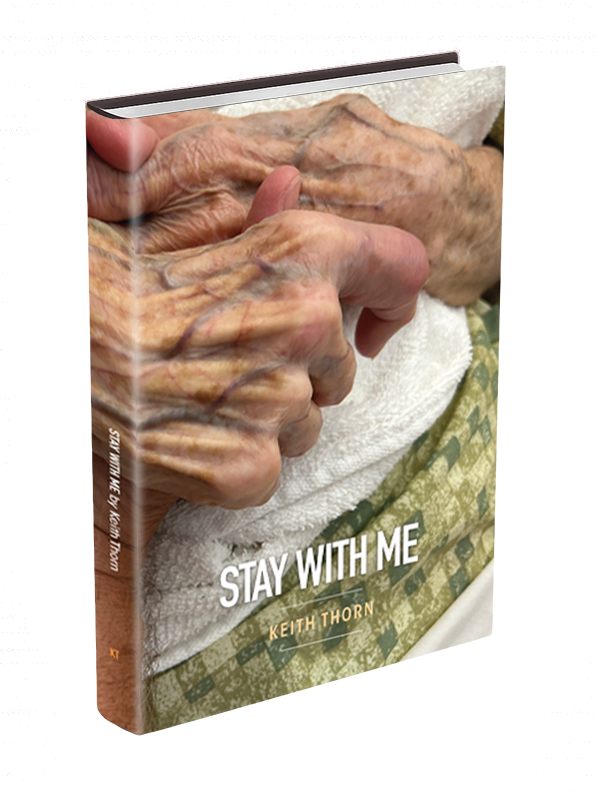
Stay With Me
Stay With Me is a true story about the last month of a fiercely independent mother’s life—and the son who refused to leave.
A single phone call changed everything. Her voice sounded different, thinner, as if something essential was slipping. The next day, I boarded a plane and walked into a season I wasn’t prepared for: late-night confusion, sundowning, pain that couldn’t be explained, hospital protocols that felt more like gates than care, and the quiet terror of realizing your parent is no longer fully competent.
For the first week, we still talked. I cooked her meals, watched her stare out the window at the birds, and tried to believe time was on our side. Then the nights changed. The emergency calls came. The system resisted. And the month narrowed into one sacred task: presence. Read More
Buy Online Here





Deepika Singhal –
This book unfolds through quiet, emotionally rich moments: hospital visits, conversations, and the slow realization of inevitable loss. The narrative explores the fragile transition from independence to decline, highlighting the emotional weight of caregiving and the difficult decisions that come with it. The author shows how love often exists not in grand gestures, but in presence, patience, and the willingness to stay when things become uncomfortable or uncertain.
Thorn captures the subtle heartbreak of watching a loved one fade mentally and physically, where even familiar voices and identities begin to slip away. The recurring imagery of the empty chair, the quiet apartment, and the unchanged surroundings emphasizes how absence can feel louder than presence.
Stay With Me is less about death and more about the legacy of love and connection. One of its most powerful messages is the importance of expressing love openly, rather than assuming it is understood. The book leaves readers with a gentle but profound reminder: presence is the greatest gift we can offer those we love.
deepikareads_ –
This book unfolds through quiet, emotionally rich moments: hospital visits, conversations, and the slow realization of inevitable loss. The narrative explores the fragile transition from independence to decline, highlighting the emotional weight of caregiving and the difficult decisions that come with it. The author shows how love often exists not in grand gestures, but in presence, patience, and the willingness to stay when things become uncomfortable or uncertain.
Thorn captures the subtle heartbreak of watching a loved one fade mentally and physically, where even familiar voices and identities begin to slip away. The recurring imagery of the empty chair, the quiet apartment, and the unchanged surroundings emphasizes how absence can feel louder than presence.
Stay With Me is less about death and more about the legacy of love and connection. One of its most powerful messages is the importance of expressing love openly, rather than assuming it is understood. The book leaves readers with a gentle but profound reminder: presence is the greatest gift we can offer those we love.
Lucy Lora –
Stay With Me, a son refusing to leave during the final month of his mother’s life, stayed with me long after I finished reading it.
The way you frame the story around presence feels both intimate and urgent. That single phone call, the subtle shift in a voice, the sudden understanding that something essential is slipping, it’s a moment so many readers will recognize with a quiet ache. Your description of late-night confusion, hospital systems that feel like gates instead of care, and the narrowing of life into one sacred task, simply staying, suggests a memoir that honors the rawness of care-giving at the edge of loss.
What moved me deeply is the transformation that seems to unfold in that room: a friend offering steadiness, your wife finding healing of her own, and words long unspoken across a lifetime finally emerging without armor. That idea, that love may not change the outcome, but can change the way we live afterward, is both heartbreaking and profoundly hopeful.